The leader’s instinct – Pinchas
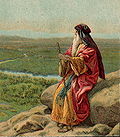 Not even Moses could expect to live and lead forever. A time would come to lay down his office, and a time to die. Recognising this reality, he prayed, “Let the Lord, the God of the spirits of all flesh, set a man over the congregation who may go out before them and who may come in before them, and who may lead them out and who may bring them in, that the congregation of the Lord be not as sheep which have no shepherd” (Num. 27:16-17).
The sages ask why the Almighty is described here as “the God of the spirits of all flesh”. The answer they come to is magnificent. Just as God knows the individual characteristics and “spirit” of all His creatures, so the good leader understands that each of his followers is different and needs to be respected as an individual and handled sensitively.
Leaders understandably tend to become demagogues and love theatrics. Playing to the crowd is exciting for the leader. Moving a multitude “as one man with one heart” – to borrow a rabbinic phrase from another context – gives him a feeling of exhilaration. But this is not always a good thing. The leader has to know that every one of his audience, flock or party is unique.
The Mishnah remarks that God is far superior to human beings. When a human being mints coins, they are copies of each other, but when God creates people, every one is distinctive and precious.
The true leader studies his people and has the instinct to know how to handle each one. And what goes for a leader applies too to doctors and their patients, teachers and their pupils, rabbis and their congregants, and in every area where one is dealing with people.


