How long should a prayer be? – B’ha’alot’cha
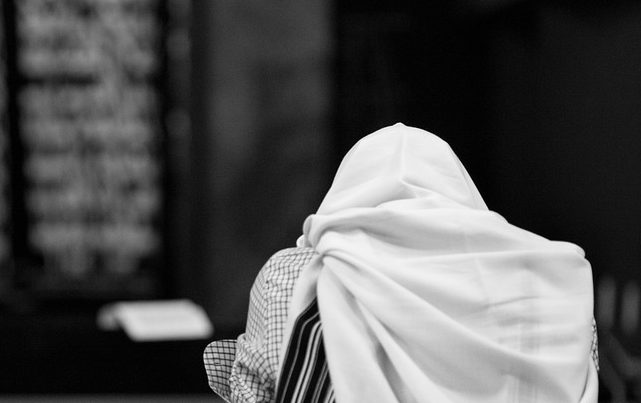 Jewish prayer has a very long history. It includes great outpourings of emotion and yearning, especially in the Psalms.
But no prayer is as short as the five words that Moses prayed for his sick sister Miriam: “God, please heal her now!” (Num. 12:13).
“Why,” asks Rashi, “did Moses not pray at length? In order that Israel should not say, ‘His sister is in trouble, and he stands and offers long prayers!'”
Yes, there is a time for extended prayer. Yom Kippur is the great example. The whole day is a prolonged prayer experience.
Many Yom Kippur passages are alphabetical acrostics, each line commencing with a successive letter of the aleph-bet. They emphasise that to say all that needs to be said in order to become reconciled with God, with our heritage and with ourselves, we need to utilise the alphabet up and down.
But on most occasions the best prayers are the shortest. Brevity is indeed the soul of wit.
God hears the beating of our heart, the anguish of our soul, the confusion of our mind. He gets the message. He does not need long liturgies.
Nor is he impressed when we offer prayer alone. It is not only words but clean hands and pure hearts that make the difference.


