Torah sections – Ask the Rabbi
Q. Why does the Torah sometimes have a samech or peh at the end of a section, without any tie-up with the beginning or end of a chapter?
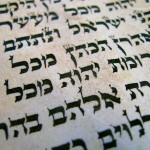 A. The chapter divisions are not of Jewish origin. They were introduced by Christian scholars and sometimes disturb the logic of the Hebrew text.
For example, the paragraph about Shabbat at the beginning of Genesis 2 should not have been separated from the previous chapter. Nor should the story of Creation have been interrupted to start a new chapter, Genesis 3, unless the purpose was to make Adam’s sin much more important than it is in Jewish thinking.
Jews adopted the Christian chapter numbers reluctantly in the Middle Ages when they were forced into public disputations and both sides needed to identify the verse they were debating about.
The Jewish way of dividing the Torah was into larger and smaller sections. The latter are p’tuchot – “open” sections, marked with a peh, which have an open space between paragraphs, and s’tumot – “closed” sections, marked with a samech, with only a small gap between paragraphs. The divisions follow the logic of the text.
Traditionally, a Jew does not say, “You find such-and-such a word in Genesis 21” but “You find it in the sidra Vayyera“.


