Robes of office – T’tzavveh
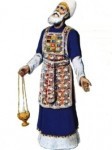 This week’s sidra is the source of the idea of robes of office.
Commanding Moses to appoint Aaron and his sons as priests, God says, “And you shall make holy garments for Aaron your brother, for honour and for glory” (Ex. 28:2).
Nachmanides compares the priestly vestments to royal robes; both kings and priests were visible from afar and their elevated status was unmistakable. But why the two words “honour” and “glory”? Sforno says the robes were for the honour of God and the glory of the priest.
Not only kings and priests had special clothing. In a sense the same applies to every Jew, for all are part of a “kingdom of priests” (Ex. 19:6), whose special status is shown in the royal-priestly tallit. Other clothing requirements include of course the covering of the head by males and married women.
And over and above such specifics, part of the concept of showing honour to God and preserving one’s own dignity is to dress at all times with tzni’ut (modesty) and avoid provocative poses or forms of appearance.


