We can still achieve it – Tzav
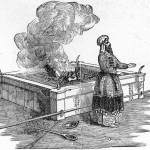 This part of the Torah specifies the intricate details of the offerings in the Temple.
Clearly, the sacrificial ceremonies were impressive and important and, as the word korban (“sacrifice”, from a root meaning “near”) suggests, brought the worshipper nearer to God. But without a Temple, are we still able to attain the same level of spiritual elevation?
One view is that by remembering and mentally reconstructing the procedures laid down in the Torah, we evoke some of the same feelings.
This may explain the dramatic fashion in which on Yom Kippur we conduct the Avodah section of the service, tracing the stages by which the atonement ritual was carried out by the high priest.
But the Talmud offers another approach. It suggests that the way we live our lives and carry out our religious obligations substitutes for the sacrifices.
Hence, giving charity is said to be greater than the burnt offerings (Sukkah 49b).
To be humble and modest is as if one brought Temple offerings (Sanh. 43b). A person who studies Torah does not need offerings (Men. 110a). Instead of the altar bringing forgveness for sins, a Jew’s table atones for his or her transgressions (Chag. 27a)
A woman who is chaste and modest is like the altar: as the altar atones for Israel, so she atones for her house (Tanh. Vayyishlach 6)


